Authorized AMSOIL Dealer
Joseph Feghali
Miami, FL

1981 Pontiac Parisienne 5.0L Oil Type and Capacity

Free Vehicle Maintenance App

For cars, trucks, ATVs & more

Track oil changes, save service records, and get maintenance reminders.

Keep your maintenance history handy for your next service.

Your Vehicle's Information

Year:

1981

Make:

Pontiac

Model:

PARISIENNE

Engine Size:

5.0L

Engine #:

[Y]

Recommended oil filters for my 1981 Parisienne

Product Name Product Description Product
AMSOIL Ea Oil Filters This filter is for your 1981 Pontiac Parisienne and is designed to last up to 25k (normal conditions) or 15k miles (severe conditions) or 1 year, whichever comes first. EAO64-EA
AMSOIL Ea Oil Filters EAO64-EA
Add To Cart
Add To Cart

Recommended coolants for my Pontiac Parisienne

Product Name Product Description Capacities Product
Passenger Car & Light Truck Antifreeze & Coolant maximum protection for your 1981 Pontiac Parisienne under extreme temperatures and operating conditions! Lasts up to 150,000 miles or five years! (whichever comes first) ANTPC1G-EA
Passenger Car & Light Truck Antifreeze & Coolant ANTPC1G-EA
Add To Cart
Add To Cart
Low Toxicity Antifreeze and Engine Coolant Lasts in your 1981 Pontiac Parisienne for up to 150,000 miles or five years! (whichever comes first). Biodegradable! ANT1G-EA
Low Toxicity Antifreeze and Engine Coolant ANT1G-EA
Add To Cart
Add To Cart

Maintaining Lubrication Standards for the 1981 Pontiac PARISIENNE 5.0L

Proper engine maintenance is a cornerstone of long-term vehicle health, particularly when managing an engine from the early 1980s. For the 1981 Pontiac PARISIENNE equipped with a 5.0L engine, consistent attention to lubrication and routine inspections can help ensure the mechanical components continue to operate as intended.

Monitoring Fluid Integrity and Potential Seepage

A primary aspect of maintaining an older vehicle involves regular visual assessments of the engine bay. Rather than waiting for a significant event, owners should periodically check for signs of fluid seepage or leakage around various sealing surfaces. Over time, gaskets and seals may undergo changes in their ability to maintain a tight barrier, which can lead to minor weeping or more pronounced leaks. When performing these inspections, it is useful to look at the areas where the engine meets the transmission and around the various covers that protect internal components. If any dampness or residue is observed, it warrants further investigation to determine if a seal requires attention. Additionally, checking the condition of hoses, if present, is a prudent step; look for signs of hardening, cracking, or swelling, as these can indicate that the rubber is reaching the end of its service life.

Observing Changes in Engine Performance and Appearance

While many maintenance tasks are proactive, being observant of how the vehicle behaves during operation is equally important. Owners should stay alert to any changes in the way the engine sounds or runs. Unusual mechanical noises can sometimes be associated with lubrication issues or other internal mechanical changes that require professional diagnosis. It is also helpful to monitor for any unexpected consumption of fluids. If you notice that the oil level on the dipstick is dropping more frequently than expected between service intervals, this may indicate an issue that should be investigated. Furthermore, keep an eye on exhaust observations; while smoke can be caused by many different factors, changes in the color or frequency of exhaust output are worth noting during your routine checks. If a warning light or indicator appears on the dashboard related to engine oil, it is critical to address the situation immediately to prevent potential damage.

Prioritizing Maintenance Based on Current Condition

As vehicles age, the most effective way to manage upkeep is to prioritize tasks based on the actual, observed condition of the machine rather than relying solely on chronological age. For a 1981 Pontiac PARISIENNE, this means establishing a maintenance baseline if you do not have access to a complete service history. If you are unsure of when certain components were last serviced, begin by documenting the current state of all fluids and belts. If equipped, inspect accessible drive belts for signs of glazing, fraying, or cracking. Addressing active leaks or addressing overdue maintenance items first allows you to focus your resources on the areas that will most impact the vehicle's continued operation. Keeping a detailed log of every oil change, filter replacement, and observed repair helps create a roadmap for future service and makes it easier to identify when a pattern of wear is developing.

The Role of Clean Lubrication in Engine Health

Engine oil performs several vital roles that go beyond simple lubrication. It acts as a medium for managing heat within the engine and helps to carry away contaminants that can accumulate during the combustion process. Maintaining clean, fresh oil is essential for minimizing friction between moving parts and helping to prevent the buildup of deposits or sludge. When oil becomes old or heavily contaminated, its ability to protect internal components diminishes. This is why adhering to a consistent service routine is so important. By ensuring the lubricant is changed according to the appropriate schedule, you help maintain the chemical stability of the fluid, which in turn supports the overall longevity of the engine components.

Effective Record Keeping for Long-Term Ownership

For those interested in the long-term preservation of their 1981 Pontiac PARISIENNE, maintaining a thorough service history is one of the most practical steps you can take. A well-documented history provides clarity on what has been replaced and when, which is invaluable when deciding whether a component needs preventive replacement or if it still has significant life remaining. If you are managing a vehicle with an incomplete history, use your initial inspections to set a new baseline. Note the condition of all fluids, the state of the belts and hoses, and any visible signs of wear. This data becomes the starting point for all future maintenance decisions. Consistent record-keeping also assists in identifying if certain issues, such as minor seepage, are increasing over time or remaining stable, allowing for more informed decision-making regarding repairs.

Practical Advice for Buying Engine Oil for your 1981 Pontiac PARISIENNE 5.0L

When it is time to replenish your engine's lubricant, the most important step is to ensure the product you select matches the specific requirements of your engine. To avoid errors, always match the engine oil to the application-specific viscosity information already displayed on this webpage. Before making a purchase, carefully check the product labeling to confirm it meets the necessary standards for your vehicle. You may encounter various formulations, including conventional oils, synthetic blends, and full synthetic options. Some high-mileage oil formulations also contain additives intended for use in aging engines, such as seal-conditioning additives. While these can be useful, your primary goal should always be to align the oil's properties with the specific viscosity and application details provided in the technical data above. Always verify that the oil meets current quality certifications to ensure you are providing the best possible protection for your 5.0L engine.
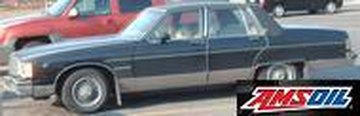
Catalog vehicle photograph for 1981 Pontiac PARISIENNE
Vehicle photograph from our catalog. Appearance may differ by model or trim.
Visit us on social media